About the association
The Association of Alzheimer’s Care and Nursing Institutions was founded in 2009.
The Association was founded to bring together doctors who treat dementia and Alzheimer’s disease, residential and nursing care facilities, foundations, and carers. It also aims to raise awareness among the public, government institutions, and civil society organisations about the challenges associated with dementia and Alzheimer’s disease and how they can be addressed, and to organise scientific conferences on dementia
and Alzheimer’s disease, with a focus on treatment, nursing and social care. The Association also aims to provide professional development for doctors, nurses and social workers who work with people living with dementia, and to represent the interests of doctors who treat dementia and Alzheimer’s disease, residential and nursing care facilities, foundations and carers in dealings with government institutions.
Dr Edmundas Jonynas-Koževnikovas currently serves as president of the association, which has 48 members.
Today, the association organizes educational and scientific conferences for doctors, nurses, social workers, and heads of institutions. It also takes an active role in policymaking to represent the interests of people living with dementia or Alzheimer’s disease who need support.
Make recommendations to the Lithuanian authorities on treatment and care for people living with Alzheimer’s disease or other forms of dementia, as well as on prevention measures. Take part in joint projects with other institutions and organizations. The main goal of the Association of Alzheimer’s Care and Nursing Institutions is to build a community of well-trained doctors, nurses and social workers who provide the best possible care to patients.
Our experts
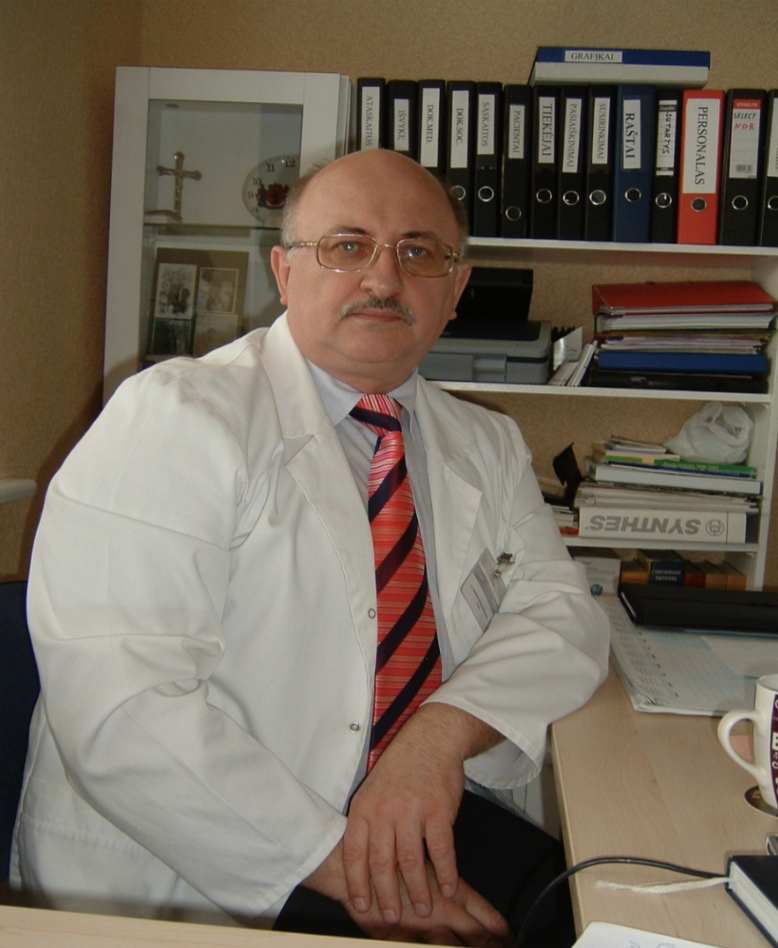
Dr.Edmundas Jonynas-Koževnikovas
Orthopaedic and Trauma Surgeon
President of the Association of Alzheimer’s Care and Nursing Institutions.
He graduated from the Faculty of Medicine at Vilnius University in 1985. A trauma and orthopaedic surgeon, he pursued further training in Sweden, Norway, Finland, Germany, Belgium, Austria and Ukraine.
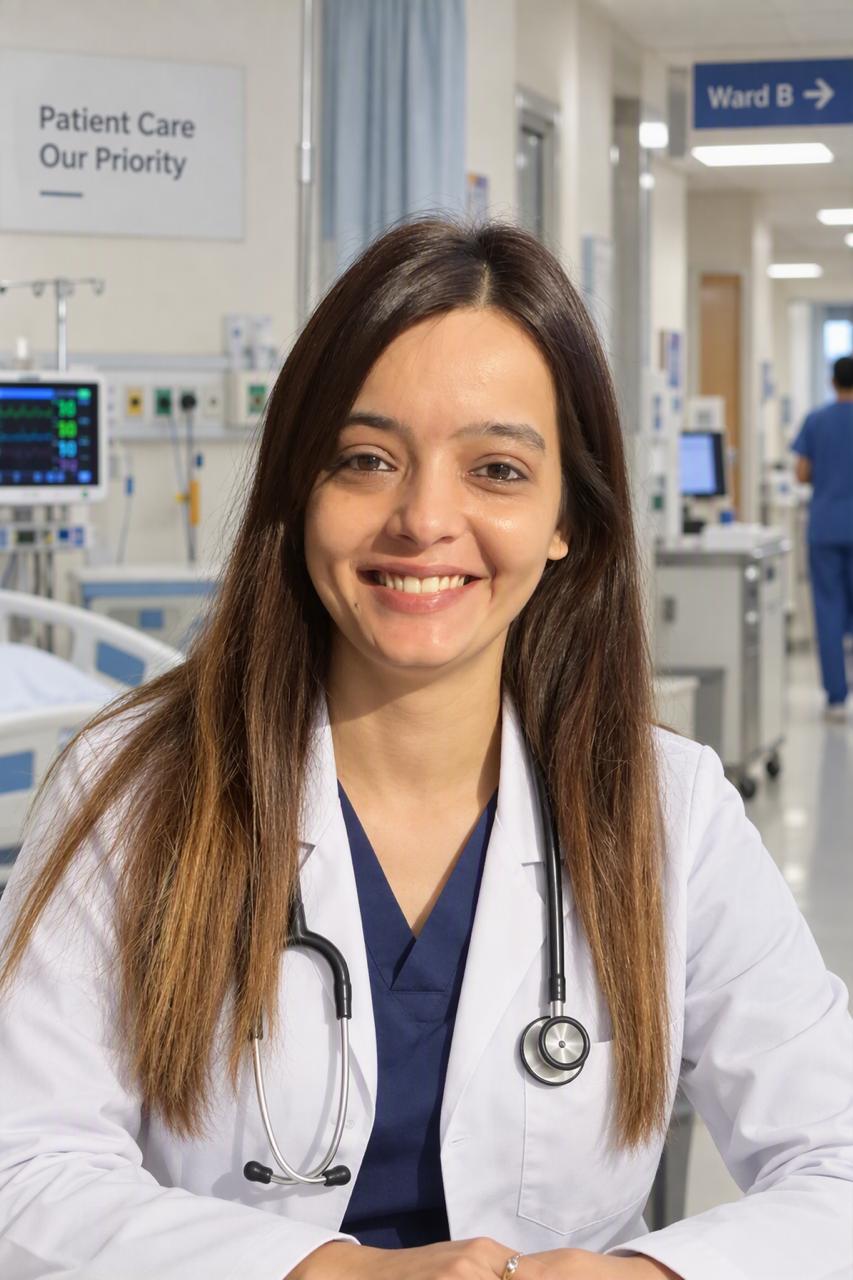
Dr. Maitri Pradip Upadhyay
Medical doctor and expert
In 2017, she graduated from Maharashtra University of Health Sciences in Nashik, India, where she earned her medical and surgical qualification. In 2020, she earned a master’s degree in public health from the Lithuanian University of Health Sciences.
Dr Maitri Pradip Upadhyay gained professional experience working both in India and in Lithuania, developing expertise in both clinical medicine and public health.
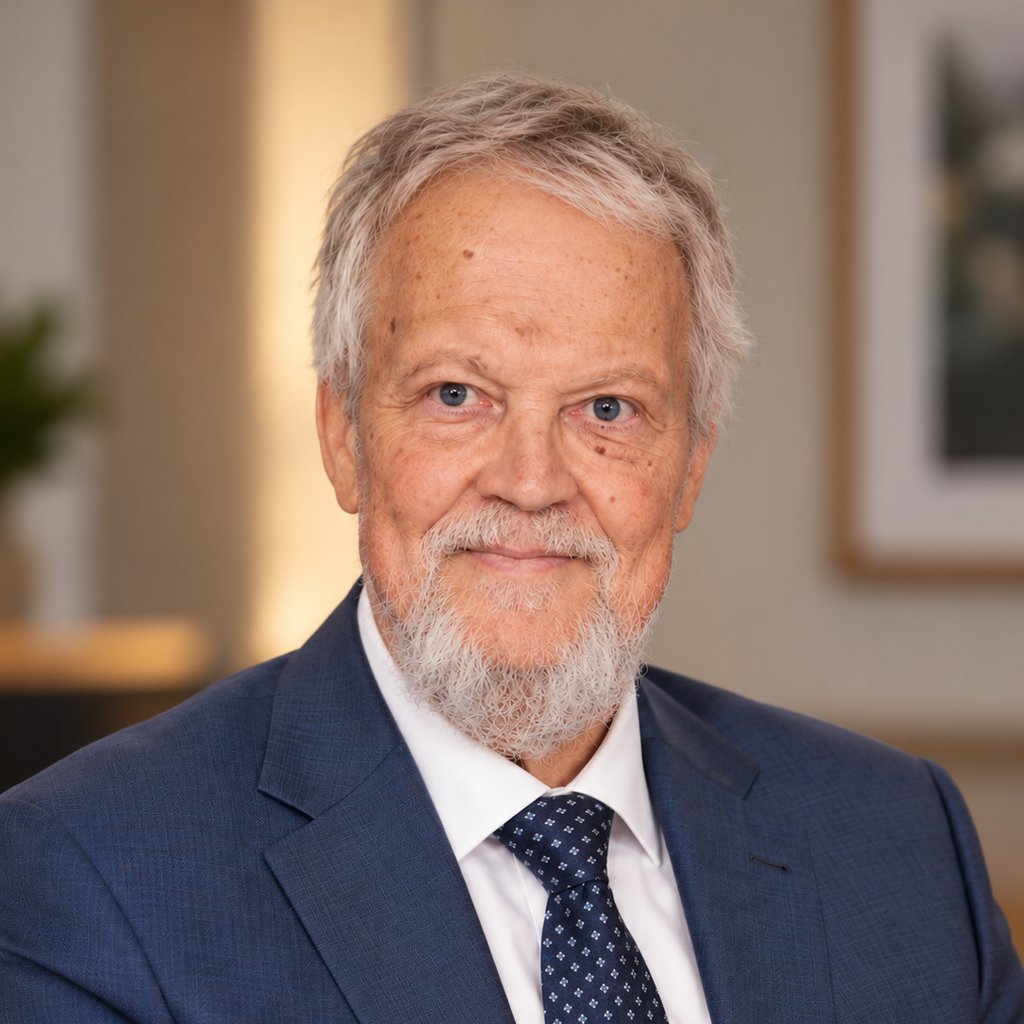
Dr.Andrev Zigmas Pukštys
Psychiatrist and expert
In 1984, he graduated from the Faculty of Medicine at Vilnius University. He gained professional experience working in Lithuania, England and Scotland.
His work focuses on psychiatry, mental health care, and addiction disorders.
Better care through knowledge and collaboration
We bring together professionals, institutions and partners to build knowledge, improve care and deepen understanding of dementia and Alzheimer’s disease.
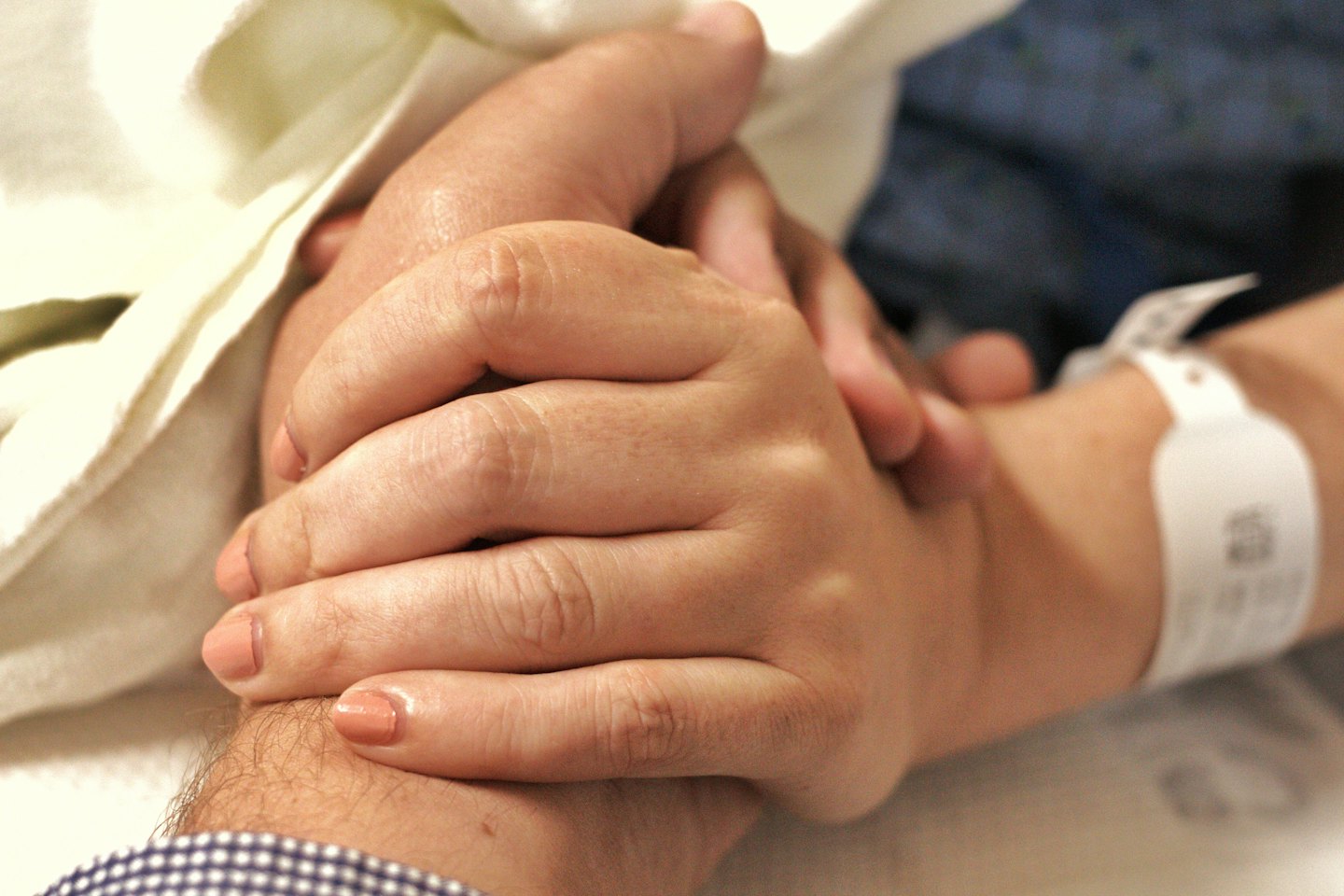

Better care and support
We aim to improve the quality of care, nursing and support for people living with dementia and Alzheimer’s disease by strengthening collaboration between professionals and institutions and improving diagnosis and prevention.

Building awareness and empathy
We share reliable, evidence-based information to help people better understand dementia and Alzheimer’s disease, recognise them earlier and talk about them without fear.

Research and partnerships
We promote research, conferences, professional development, and joint projects with clinics, universities, and organizations in Lithuania and abroad to improve the diagnosis and prevention of dementia and Alzheimer’s disease.
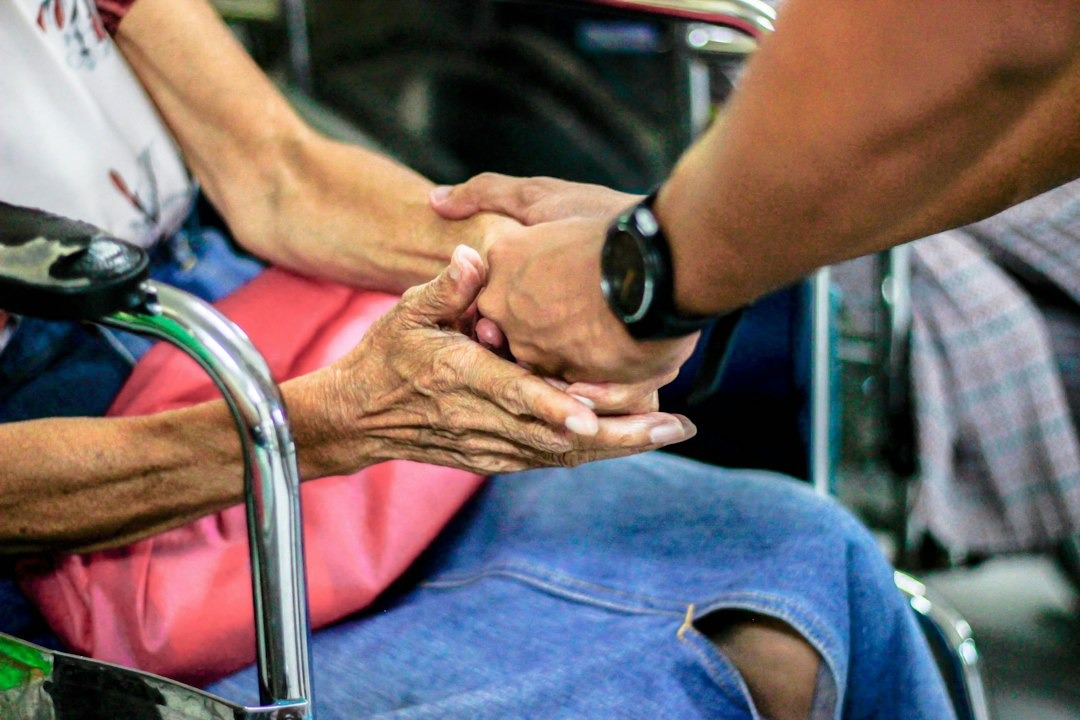
Let’s make a difference together
Addressing the challenges of dementia and Alzheimer’s disease takes collaboration. We invite clinics, universities, researchers, healthcare providers, care and nursing institutions, and other organizations to work with us to improve understanding and prevention, advance research, train professionals, and educate the public.
We believe the most meaningful change begins when we share knowledge, work together, and take an active role in policymaking.